
Agricultural & Environmental Letters (@agricenvletters) 's Twitter Profile
Agricultural & Environmental Letters

@agricenvletters

Gold open access letters journal by ASA, CSSA, SSSA. Covers scientific advances in the entire range of agricultural & environmental sciences.

ID: 3676760956

linkhttps://acsess.onlinelibrary.wiley.com/journal/24719625 calendar_today16-09-2015 16:50:52

1,1K Tweet

1,1K Followers

31 Following

Agricultural & Environmental Letters (@agricenvletters) 's Twitter Profile Photo

🌱 A 46-year study from Thailand by Phongsakon Tantarawongsa, Amnat Chidthaisong, et al. shows that no-till with cow manure and chemical fertilizer achieved the highest sequestration rate (0.40 Mg C ha⁻¹ year⁻¹) and improved soil structure. Read: doi.org/10.1002/ael2.7…

🌱 A 46-year study from Thailand by Phongsakon Tantarawongsa, Amnat Chidthaisong, et al. shows that no-till with cow manure and chemical fertilizer achieved the highest sequestration rate (0.40 Mg C ha⁻¹ year⁻¹) and improved soil structure.
Read: doi.org/10.1002/ael2.7…
Agricultural & Environmental Letters (@agricenvletters) 's Twitter Profile Photo

Ashworth et al. explore how knowledge graphs can reveal drought resilience in forage systems across 50+ years of data 🌾 👉Perennials like alfalfa top the list. Check out their new A&EL paper to see how data tools are reshaping agronomy: doi.org/10.1002/ael2.7… Agricultural Research Service
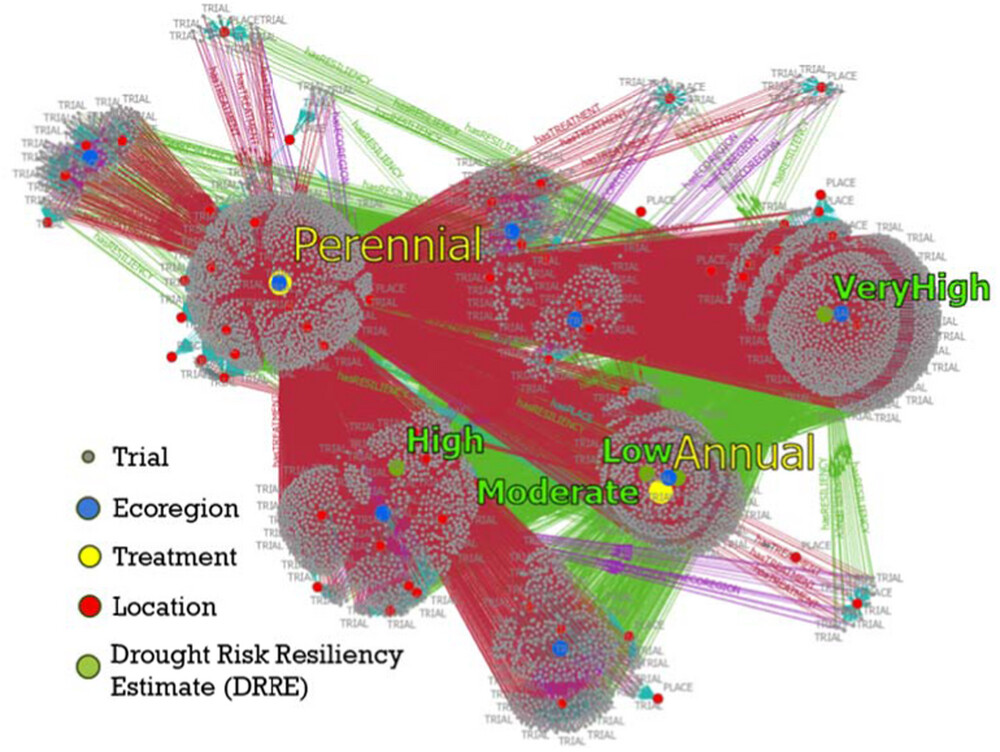
Ashworth et al. explore how knowledge graphs can reveal drought resilience in forage systems across 50+ years of data 🌾
👉Perennials like alfalfa top the list.
Check out their new A&amp;EL paper to see how data tools are reshaping agronomy: doi.org/10.1002/ael2.7… <a href="/USDA_ARS/">Agricultural Research Service</a>
Agricultural & Environmental Letters (@agricenvletters) 's Twitter Profile Photo

New in A&EL: Do fields with high soil test P drive most DRP loads to Lake Erie? Byers et al. show that while elevated STP fields contribute disproportionately, most DRP still comes from fields with <75 mg/kg P. Check the full article: doi.org/10.1002/ael2.7… #Phosphorus #LakeErie

New in A&amp;EL: Do fields with high soil test P drive most DRP loads to Lake Erie?
Byers et al. show that while elevated STP fields contribute disproportionately, most DRP still comes from fields with &lt;75 mg/kg P.
Check the full article: doi.org/10.1002/ael2.7…
#Phosphorus #LakeErie
Agricultural & Environmental Letters (@agricenvletters) 's Twitter Profile Photo

🌿 #Biostimulant or #biological? Connor Sible, Juli Seebauer & Frederick Below argue for clearer distinctions between living microbial inputs and non-living substances and the regulatory implications that follow. New A&EL Commentary: doi.org/10.1002/ael2.7… Crop Sciences #AgPolicy

🌿 #Biostimulant or #biological?
<a href="/ConnorSible/">Connor Sible</a>, <a href="/JuliSee1/">Juli Seebauer</a> &amp; Frederick Below argue for clearer distinctions between living microbial inputs and non-living substances and the regulatory implications that follow.
New A&amp;EL Commentary: doi.org/10.1002/ael2.7…
<a href="/IllinoisCropSci/">Crop Sciences</a> #AgPolicy
Agricultural & Environmental Letters (@agricenvletters) 's Twitter Profile Photo

🪨 Curious about crushed rock and soil health? A new study by Costanzo et al. explores how silicate rocks, compost, and biochar influence soil structure in a California corn system. Early results point to promising changes in water flow and aggregation. 🔗doi.org/10.1002/ael2.7…

🪨 Curious about crushed rock and soil health? 
A new study by Costanzo et al. explores how silicate rocks, compost, and biochar influence soil structure in a California corn system. Early results point to promising changes in water flow and aggregation.
🔗doi.org/10.1002/ael2.7…
Agricultural & Environmental Letters (@agricenvletters) 's Twitter Profile Photo

AEL has received a 2024 Impact Factor of 3.6. This is a significant increase over last year. Our peer review time remains competitive, with an average submission to acceptance time of less than 70 days. We are grateful for all the hard work the review team does for AEL!

AEL has received a 2024 Impact Factor of 3.6. This is a significant increase over last year. Our peer review time remains competitive, with an average submission to acceptance time of less than 70 days. We are grateful for all the hard work the review team does for AEL!
Agricultural & Environmental Letters (@agricenvletters) 's Twitter Profile Photo

🌱Can we fine-tune #CoverCrops? Hosler et al. show that swapping species & adjusting seed rates transform mixtures for better ecological services: 🌾Original: 81% grass, 5% brassica, 14% legume ☘️Adjusted: 25% grass, 10% brassica, 65% legume Read more: doi.org/10.1002/ael2.7…

🌱Can we fine-tune #CoverCrops?
Hosler et al. show that swapping species &amp; adjusting seed rates transform mixtures for better ecological services:
🌾Original: 81% grass, 5% brassica, 14% legume
☘️Adjusted: 25% grass, 10% brassica, 65% legume
Read more: doi.org/10.1002/ael2.7…
Agricultural & Environmental Letters (@agricenvletters) 's Twitter Profile Photo

♻️ What happens to phosphorus in soils long after biosolids are applied? A new study by Yang Lin et al. shows surprising release patterns, from sharp spikes to persistent long-term risks that soil tests can’t predict. Read more: doi.org/10.1002/ael2.7… Yang LIN 林杨 UF/IFAS Dept of Soil, Water & Ecosystem Sciences
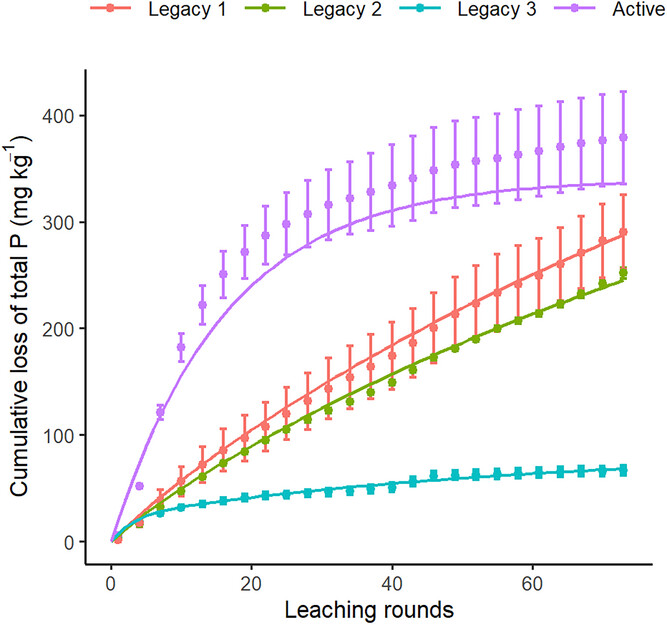
♻️ What happens to phosphorus in soils long after biosolids are applied?
A new study by Yang Lin et al. shows surprising release patterns, from sharp spikes to persistent long-term risks that soil tests can’t predict.
Read more: doi.org/10.1002/ael2.7…
<a href="/lesterlin/">Yang LIN 林杨</a> <a href="/SoilWaterSci/">UF/IFAS Dept of Soil, Water & Ecosystem Sciences</a>
Agricultural & Environmental Letters (@agricenvletters) 's Twitter Profile Photo

👉New in AEL: Kabindra Adhikari, Smith & Hajda map phosphorus use efficiency (PUE) using proximal sensing + machine learning. 🗺️ Findings indicate field maps show distinct PUE patterns shaped by soil & topography Read more 🔗 doi.org/10.1002/ael2.7…

👉New in AEL:
<a href="/kaad4soil/">Kabindra Adhikari</a>, Smith &amp; Hajda map phosphorus use efficiency (PUE) using proximal sensing + machine learning.
🗺️ Findings indicate field maps show distinct PUE patterns shaped by soil &amp; topography
Read more 🔗 doi.org/10.1002/ael2.7…
Agricultural & Environmental Letters (@agricenvletters) 's Twitter Profile Photo

🌱 New in AEL: Does latitude affect soybean seed quality? A meta-analysis by Prabath Senanayaka Mudiyanselage, Laura Lindsey & Seun Oladipupo found threonine declines slightly with latitude, while other amino acids show no clear global trend. Read more 🔗 doi.org/10.1002/ael2.7…

🌱 New in AEL: Does latitude affect soybean seed quality?
A meta-analysis by Prabath Senanayaka Mudiyanselage, Laura Lindsey &amp; Seun Oladipupo found threonine declines slightly with latitude, while other amino acids show no clear global trend.

Read more 🔗 doi.org/10.1002/ael2.7…
Agricultural & Environmental Letters (@agricenvletters) 's Twitter Profile Photo

New in A&EL: Organic management + balanced C:N ratios = thriving soil microarthropods. 🕷️ Study across rice, soybean & vegetable systems in Japan highlights the link between nutrient balance and soil biodiversity. 🔗 doi.org/10.1002/ael2.7…

New in A&amp;EL: Organic management + balanced C:N ratios = thriving soil microarthropods.
 🕷️
Study across rice, soybean &amp; vegetable systems in Japan highlights the link between nutrient balance and soil biodiversity.

🔗 doi.org/10.1002/ael2.7…
Agricultural & Environmental Letters (@agricenvletters) 's Twitter Profile Photo

New in A&EL: 🌊 Are we measuring #microplastics the wrong way? By weighing microplastics (ng L⁻¹), not just counting them, Rice et al. found that agricultural waters contain far less pollution than urban or laundry sources. 🔗 doi.org/10.1002/ael2.7… Agricultural Research Service #WaterQuality

New in A&amp;EL: 🌊 Are we measuring #microplastics the wrong way?
By weighing microplastics (ng L⁻¹), not just counting them, Rice et al. found that agricultural waters contain far less pollution than urban or laundry sources.
🔗 doi.org/10.1002/ael2.7…
<a href="/USDA_ARS/">Agricultural Research Service</a> #WaterQuality
Agricultural & Environmental Letters (@agricenvletters) 's Twitter Profile Photo

New in A&EL: Using over 60 years of rainfall data, Latoja et al. uncover shifting rainfall patterns in Central #Chile: Dry spells are becoming more frequent and shorter, with less rain per event. What could this mean for farmers and water planning? 🔗 doi.org/10.1002/ael2.7…

Agricultural & Environmental Letters (@agricenvletters) 's Twitter Profile Photo

New in A&EL: How can low- and middle-income countries build climate-resilient agriculture? Ekanayaka et al. highlight gaps in climate data, technical capacity, and support for vulnerable farmers that continue to hinder adaptation. Read their insights: doi.org/10.1002/ael2.7…

New in A&amp;EL: How can low- and middle-income countries build climate-resilient agriculture?

Ekanayaka et al. highlight gaps in climate data, technical capacity, and support for vulnerable farmers that continue to hinder adaptation.

Read their insights: doi.org/10.1002/ael2.7…
Agricultural & Environmental Letters (@agricenvletters) 's Twitter Profile Photo

New in A&EL: How does the diabetes drug #Metformin behave once it reaches soils? A new study by Mehnaz et al. uses in-situ ATR-FTIR to capture how metformin binds to gibbsite and Tennessee silt loam, offering its fate at the soil-water interface. Read: doi.org/10.1002/ael2.7…

New in A&amp;EL: How does the diabetes drug #Metformin behave once it reaches soils?

A new study by Mehnaz et al. uses in-situ ATR-FTIR to capture how metformin binds to gibbsite and Tennessee silt loam, offering its fate at the soil-water interface. 

Read: doi.org/10.1002/ael2.7…
Agricultural & Environmental Letters (@agricenvletters) 's Twitter Profile Photo

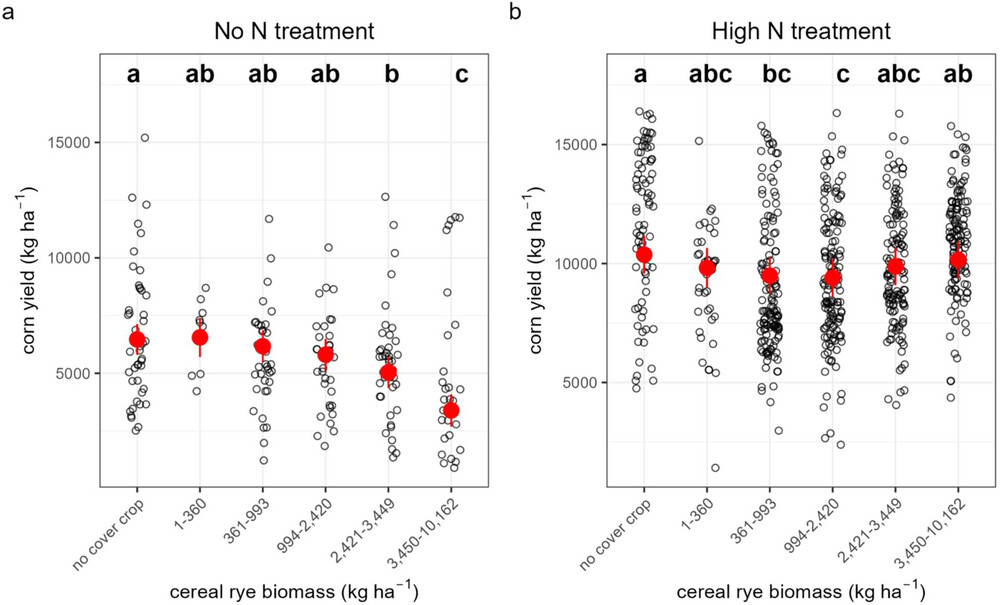
New in A&EL: A 12-site-year study from Alexandra Huddell and colleagues challenges assumptions about corn yield after cereal rye. Interestingly, the total N rate mattered more than timing, and when N was sufficient, rye biomass rarely reduced yield. Read: doi.org/10.1002/ael2.7…

New in A&amp;EL: A 12-site-year study from Alexandra Huddell and colleagues challenges assumptions about corn yield after cereal rye. 
Interestingly, the total N rate mattered more than timing, and when N was sufficient, rye biomass rarely reduced yield.
Read: doi.org/10.1002/ael2.7…