
Alexander Benz
@alexanderpbenz
ID: 1026122225873833984
05-08-2018 15:06:17
117 Tweet
94 Followers
134 Following
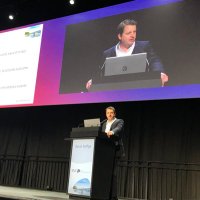
Great collaboration with @boersma_lucas, UCL Stroke Research and Moniek Maarse! Interdisciplinary research from cardiology and neurology! European Stroke Master Stroke Research Center Bern Insel Gruppe Faculty of Medicine, University of Bern jamanetwork.com/journals/jaman…
An incredible journey coming to an end...or is it just the beginning? Congratulations to all WSO Future stroke leaders from Cohort 2! World Stroke Org #WSC2024 PHRI.ca Population Health Research Institute 🇨🇦 McMaster Stroke Program McMaster University Department of Medicine

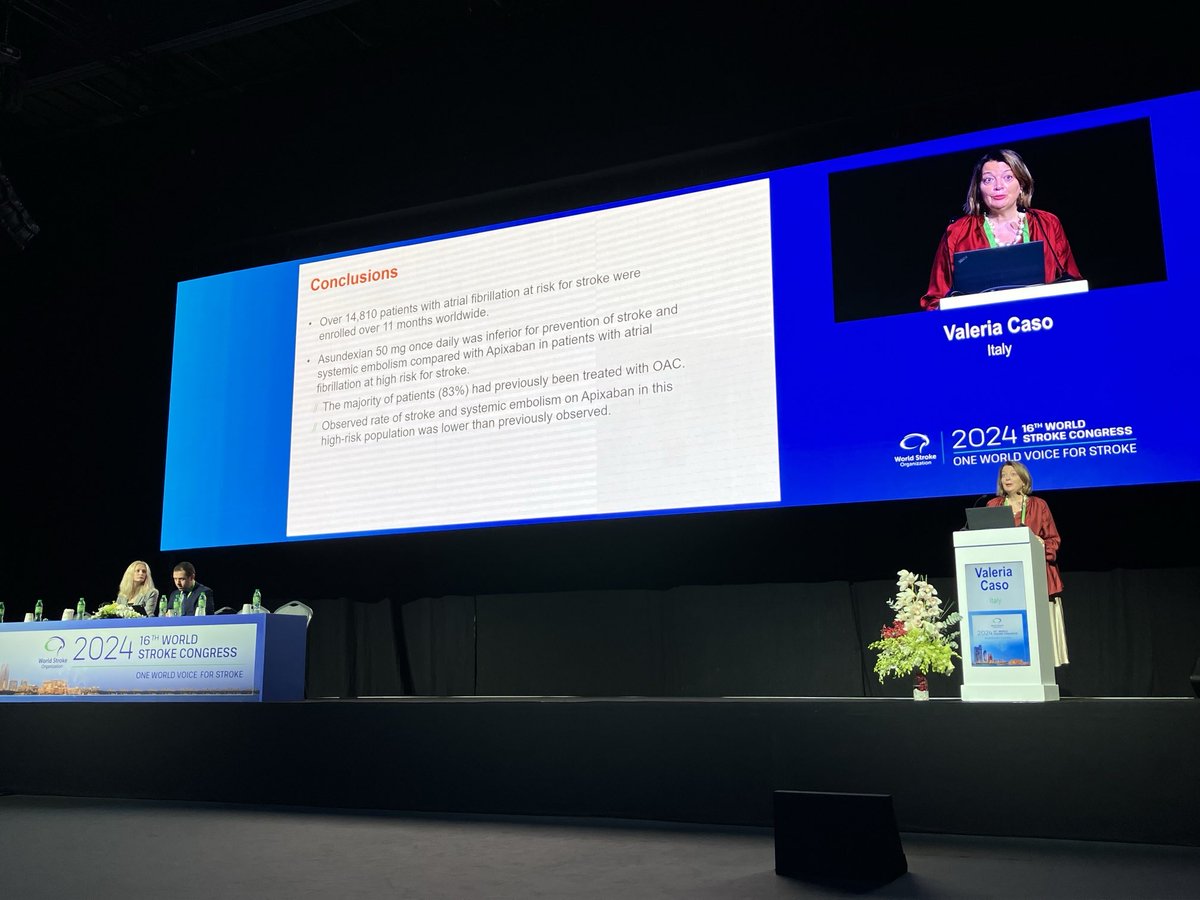
valeria caso giving a great overview talk about factor XI inhibitors for stroke prevention in AF at WSC in Abu Dhabi👏 well done! WSO_BrainHeart World Stroke Org European Stroke Org
Back to the future? Are VKA a potential solution to lower the risk of recurrence in patients with #breakthroughstrokes despite OAC in patients with AF? Alexander Benz of PHRI.ca Population Health Research Institute 🇨🇦 at World Stroke Org European Stroke Org thought provocing

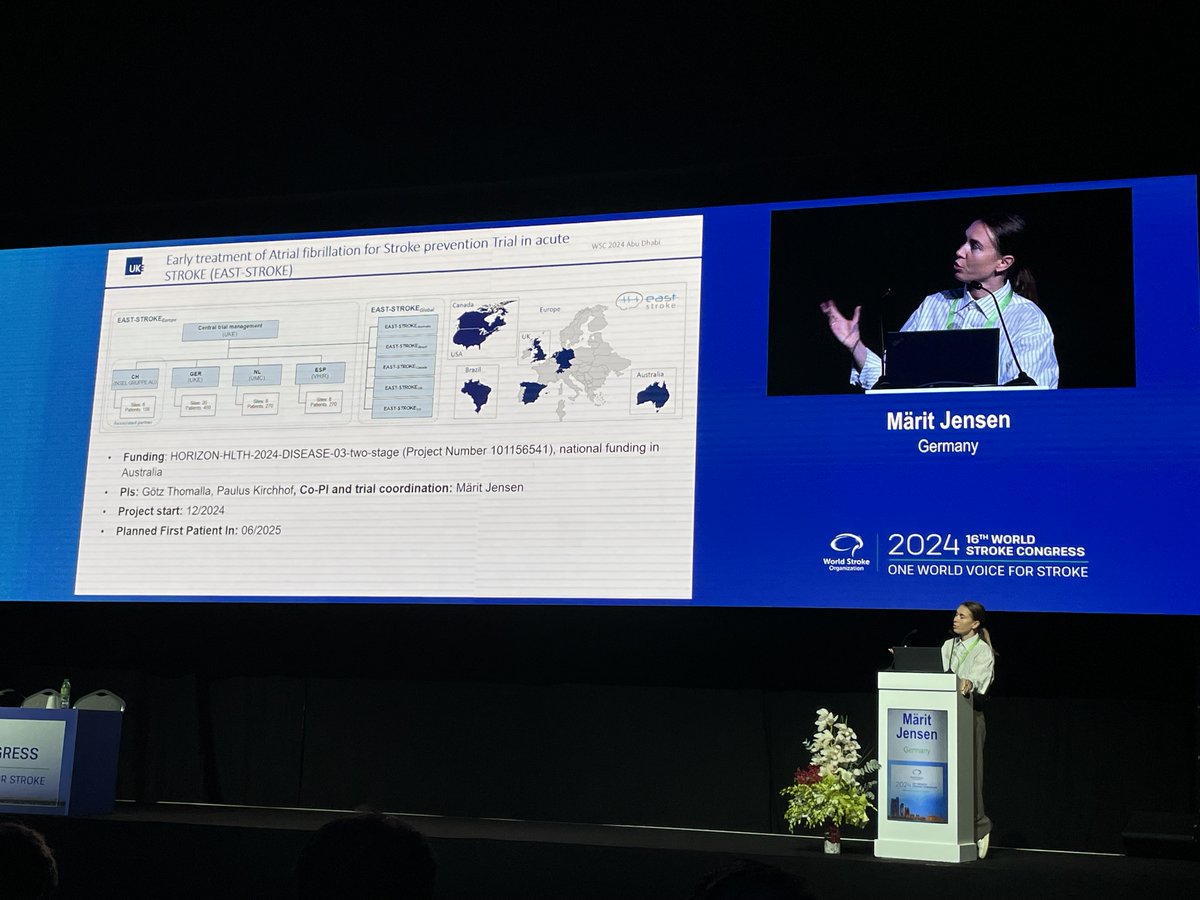
@maeritjensen presenting the upcoming EAST-STROKE trial of early rhythm control in patients with acute ischemic stroke at the #WSC Abu Dhabi World Stroke Org Clinical Stroke and Imaging Research UKE Hamburg
McMaster Stroke Program Thanks very much for your support McMaster Stroke Program ! Cannot take credit for largest ICH RCT however. Only largest looking at this question But apparently size doesn’t matter ;)
Strong representation from the McMaster University Department of Medicine Hamilton Health Sciences PHRI.ca Population Health Research Institute 🇨🇦 #stroke research program at this year's #WSC2024! phri.ca/wsc2024/ McMaster Stroke Program World Stroke Academy Aristeidis Katsanos Mike Sharma Alexander Benz World Stroke Org #neurotwitter #MedEd

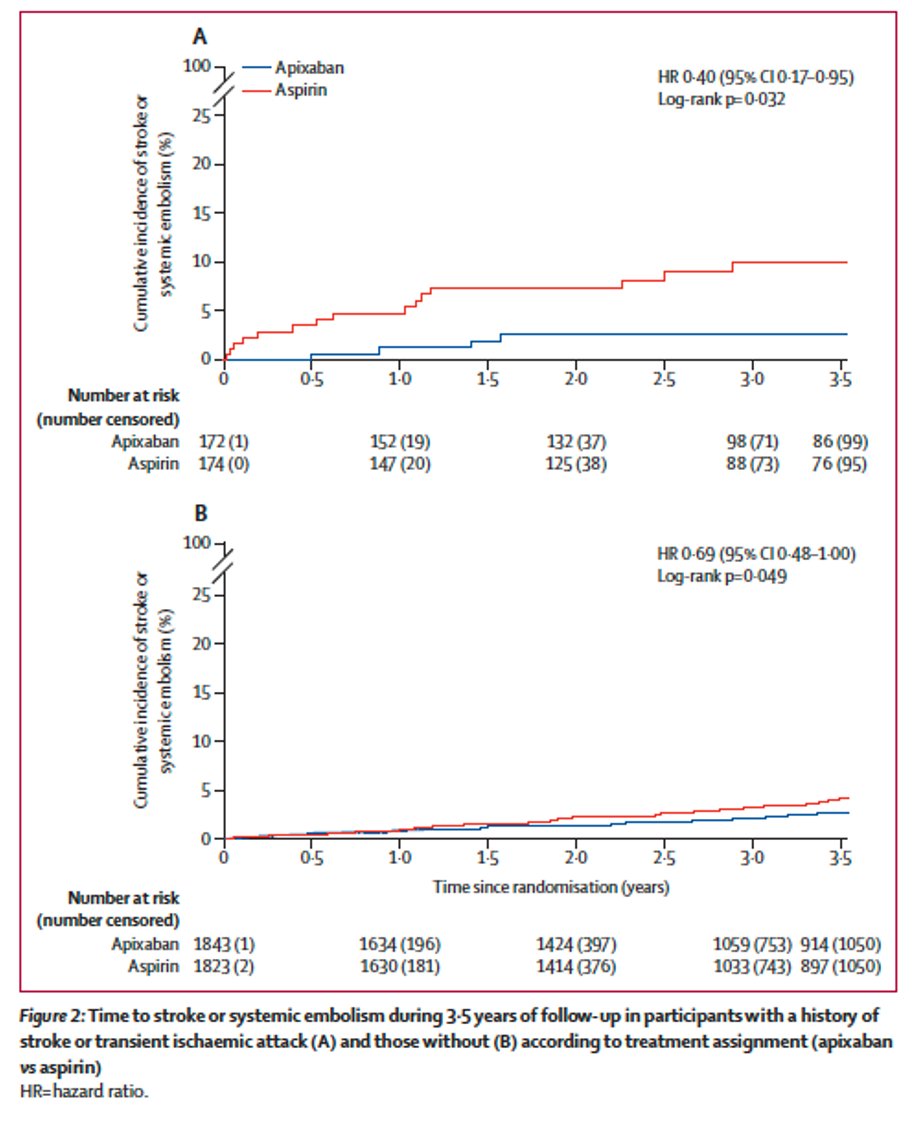
Should patients with #stroke and device-detected subclinical #AFib (SCAF) receive OAC? Our subgroup analyses of the The ARTESiA Trial 🇨🇦 published in The Lancet Neurology provide novel insights indicating that they indeed should in the right setting. thelancet.com/journals/laneu… #CardioTwitter
Blanking Period After Catheter Ablation of Paroxysmal Atrial Fibrillation: Insights From Continuous Cardiac Monitoring Paul Khairy @MarcDeyell @drjasonandrade Julia CadrinTourigny Richard Bennett #AHAJournals #EPeeps doi.org/10.1161/CIRCEP…
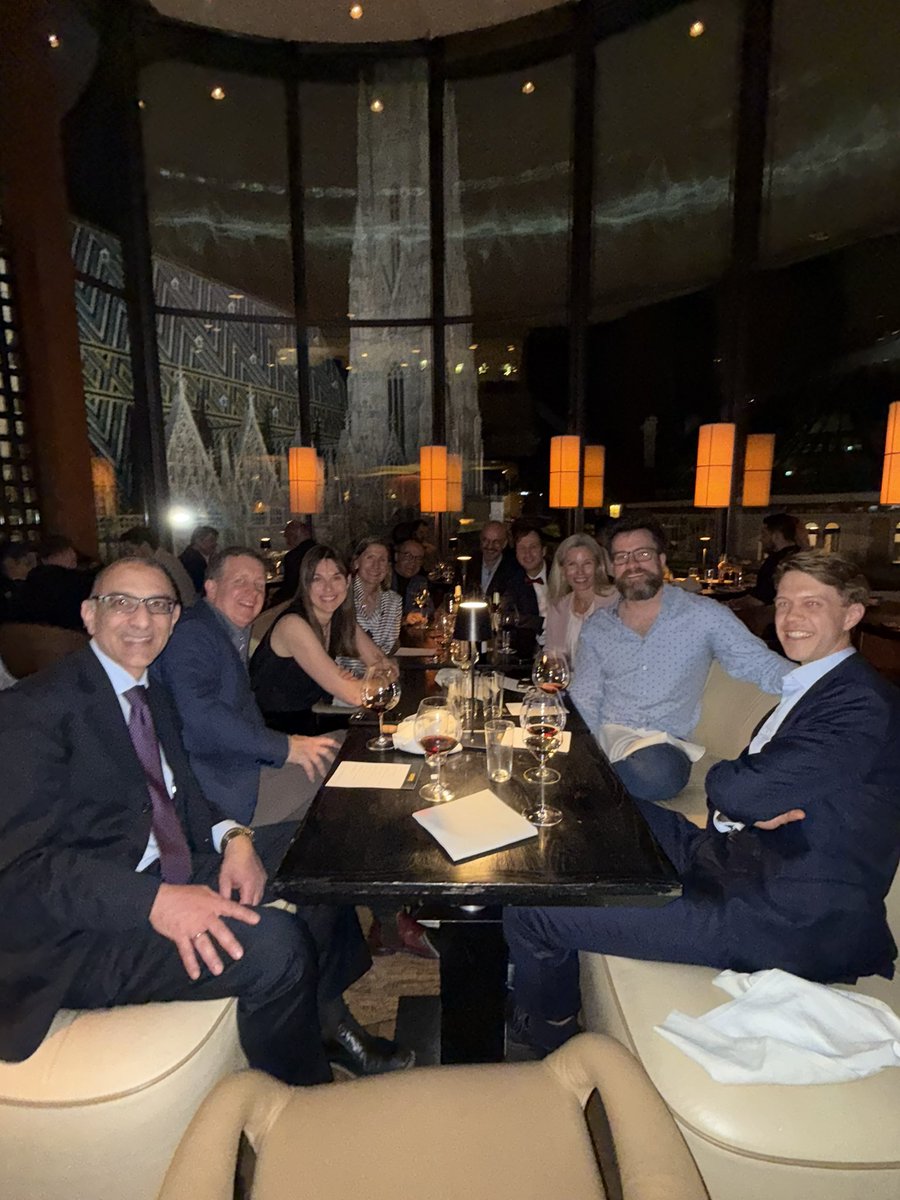
This is a group of people doing great things and having a good time! Could be the smartest table in all Vienna #EHRA2025 Alexander Benz Emma Svennberg Jason Andrade William F McIntyre Pyotr Platonov Stavros Stavrakis Søren Zöga Diederichsen Taya Glotzer Jeff Healey
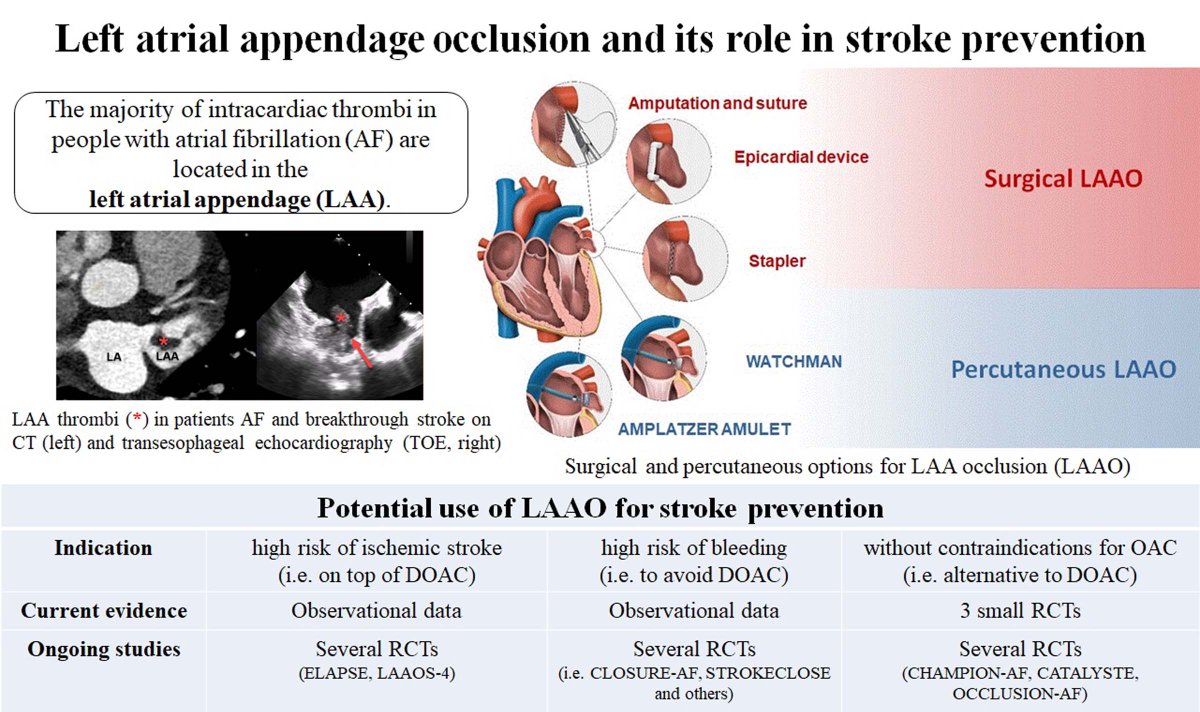
LAAO and stroke: We summarize current evidence & ongoing trials: promising option for AF patients to avoid OAC (i.e. after ICH, CAA) or if DOAC alone is not enough (i.e. after #breakthroughstroke) Alexander Benz ELAPSE Stroke AHA/ASA ahajournals.org/doi/10.1161/ST…
Thrilled to share that the OCEANIC-STROKE trial (NCT05686070), led by PHRI.ca Population Health Research Institute 🇨🇦 & Bayer | Pharmaceuticals, has successfully completed enrolment of over 12,300 participants with non-cardioembolic ischemic #stroke over a recruitment period of only 26-months! 🔗phri.ca/oceanicstroke/

#STROKE: This topical review by David Seiffge et al. discusses the available approaches to achieve left atrial appendage occlusion and the available evidence for LAAO in patients with AFib.🫀 #AHAJournals Alexander Benz Jacqueline Saw Insel Gruppe ahajournals.org/doi/full/10.11…
⚠️ New meta-analysis in JAMA Neurology shows high residual risk of stroke in AF patients—even with anticoagulation. 🧠 3.75%/yr risk of recurrence, 7.2% if stroke occurred despite OAC. HIGH 📉 1 in 6 have recurrent stroke at 5 yrs. Urgent need for better prevention tools. #ESOC2025

Hot off the press: Surgical LAAO reduces the risk for cardioembolic stroke and attenuates stroke disability and mortality #phri McMaster Stroke Program Mike Sharma Luciana Catanese, MD Ashkan Shoamanesh