

Freya Womersley
@freyawomersley
Marine Ecologist | Postdoctoral Researcher @thembauk funded by @ERC_Research | Interested in conservation via biologging, mapping, modelling
ID: 134857935
19-04-2010 17:05:20
171 Tweet
334 Followers
345 Following

The loss of oxygen in the #ocean is increasingly disrupting ecosystems and threatening top predators such as tuna, marlin and sharks. Ocean deoxygenation is a growing problem, learn about its causes, impacts and solutions ow.ly/6B6950DEGi5 IUCN Ocean Team
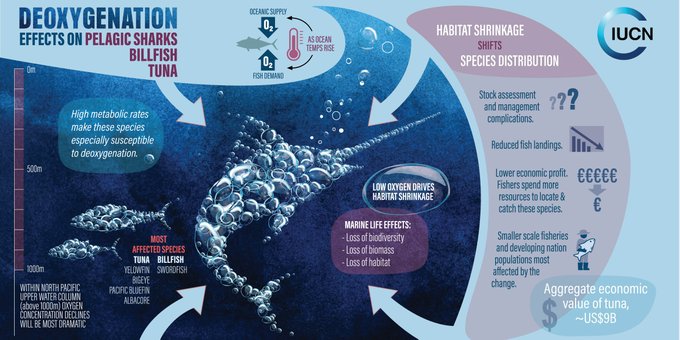


📣 SO excited to announce our first confirmed @fsbi2023 keynotes! Three science rockstars: Profs Steve Campana, Bronwyn Gillanders (sponsored by Sea-Unicorn) & David Sims🐟 Submit abstracts here: fsbi.org.uk/symposium-2023! Registration opening soon! Bronwyn Gillanders David Sims
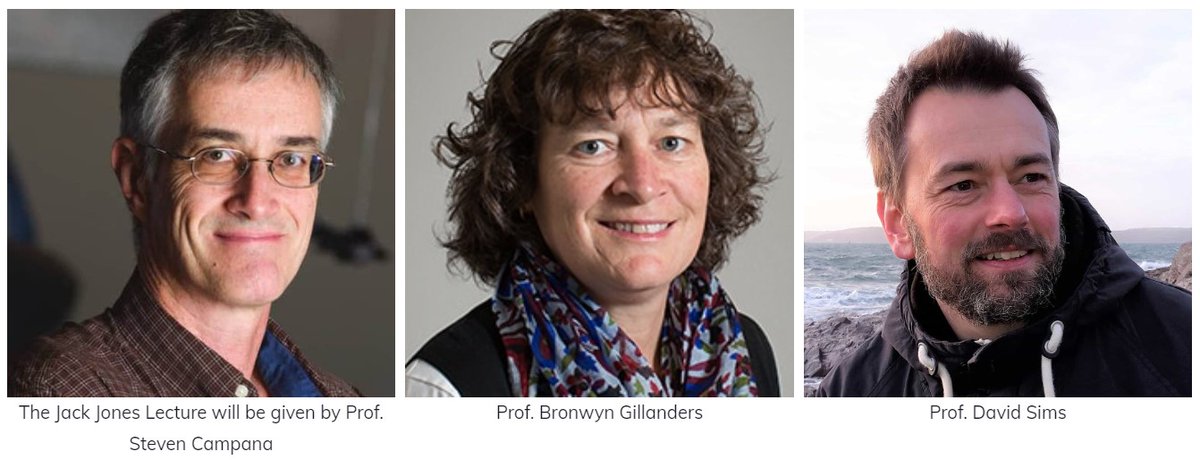

NEW Review paper: "Global tracking of shark movements, behaviour & ecology..." - three times the no. of satellite studies conducted during the 2010-2020 decade than ever before, tracking double the number of species previously tagged - led by Sam Renshaw sciencedirect.com/science/articl…




3 Perspectives on #CoralRestoration Principles for coral reef restoration Terry Hughes et al An integrative framework for sustainable coral reef restoration David J Suggett et al Nanobiotech engineering for future coral reefs 🌍 et al bit.ly/3NgOLCi

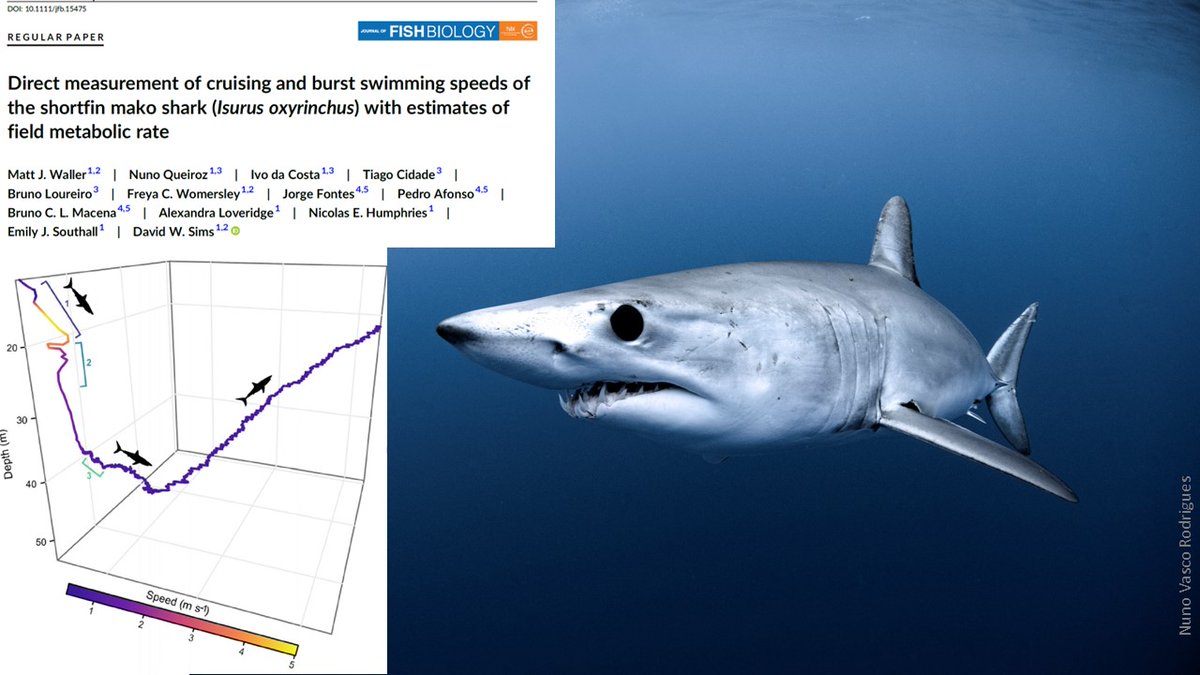
New OA paper - Ever wanted to know how fast shortfin mako #sharks actually swim? We're beginning to find out w/ new bio-logging tags and it's surprising - great work by Matt Waller MBA - Marine Biological Association MOVE @OkeanosUac OceanEarthUniSoton Nuno Queiroz doi.org/10.1111/jfb.15…

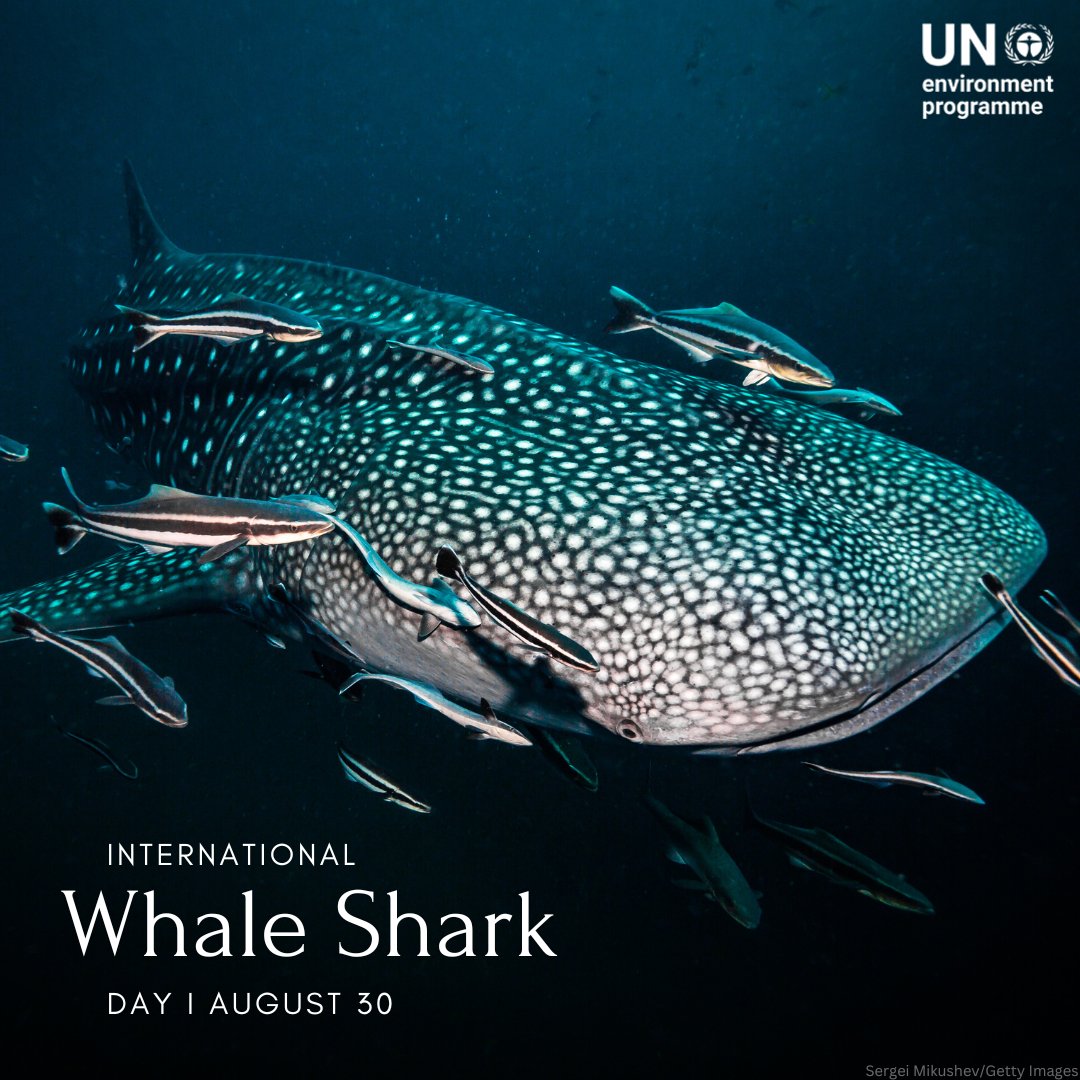
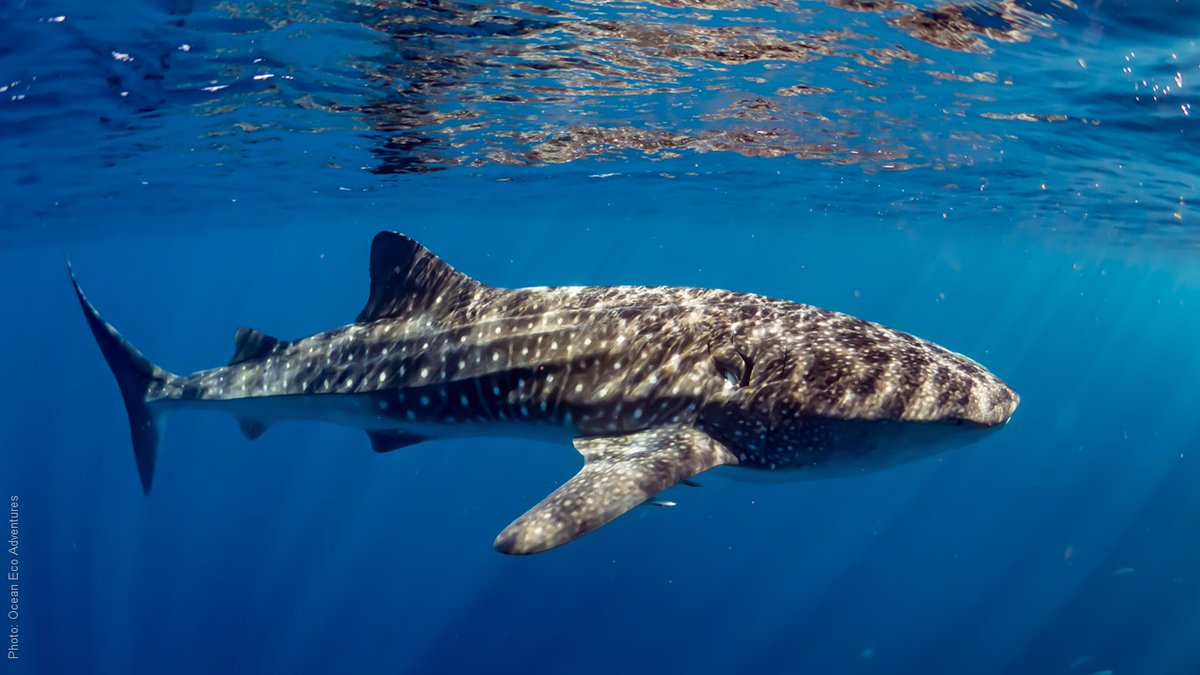
New in nature – Shipping is on the rise: four steps to curb #OceanRoadkill of marine giants – increasing evidence ships strikes are major cause of human-induced mortality for whales & #sharks, but some simple actions can turn things around MBA - Marine Biological Association nature.com/articles/d4158…


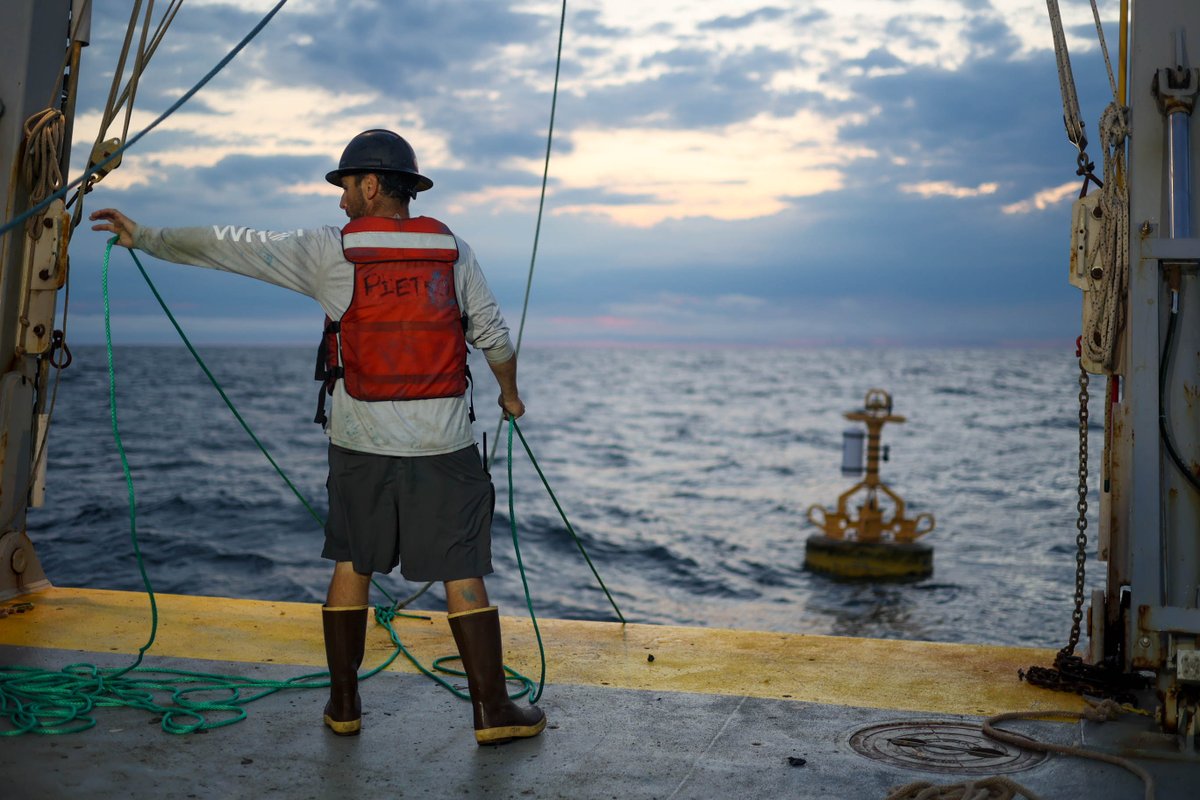
The global cargo fleet has doubled in the last 16 years– and whale & shark ship strikes mirror that trend. University of Southampton researchers outline steps the world can take to prevent “ocean roadkill,” including #WHOI's acoustic buoys. Read more in nature: go.whoi.edu/nature-acousti…
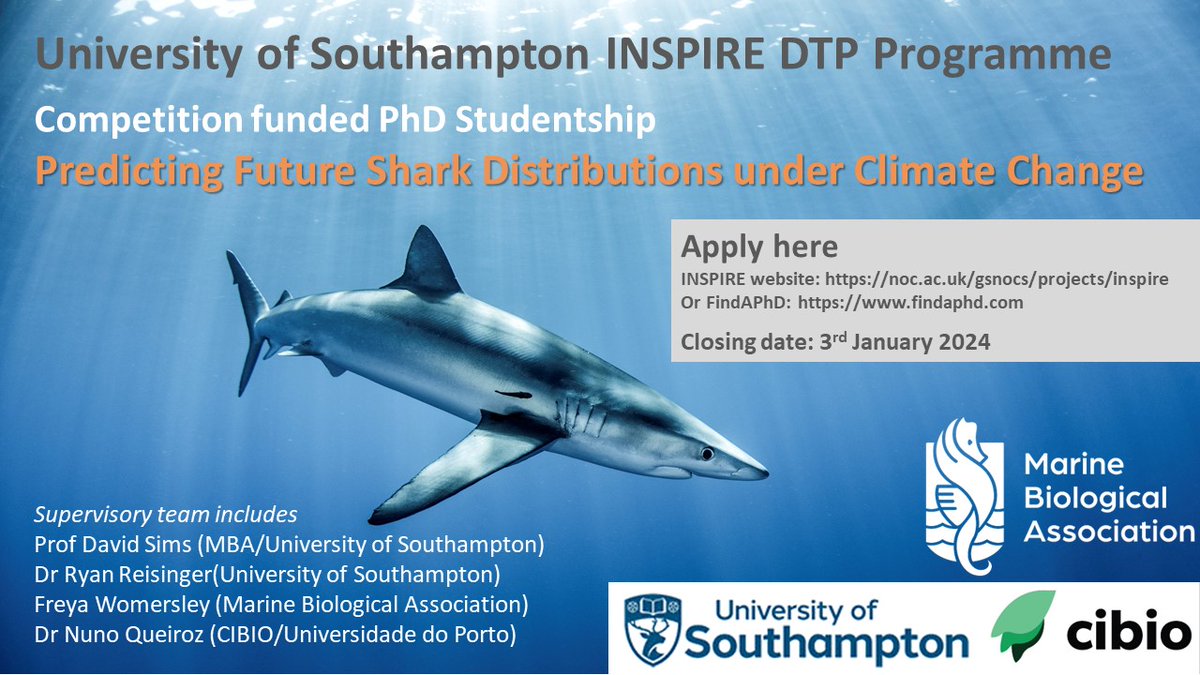
New DTP PhD Opportunity to research effects of Climate Change on Pelagic #Shark movements, habitats & distribns - come join the team MBA - Marine Biological Association OceanEarthUniSoton inspire-dtp.ac.uk w/ Ryan Reisinger Freya Womersley Nuno Queiroz Apply here: noc.ac.uk/gsnocs/project…
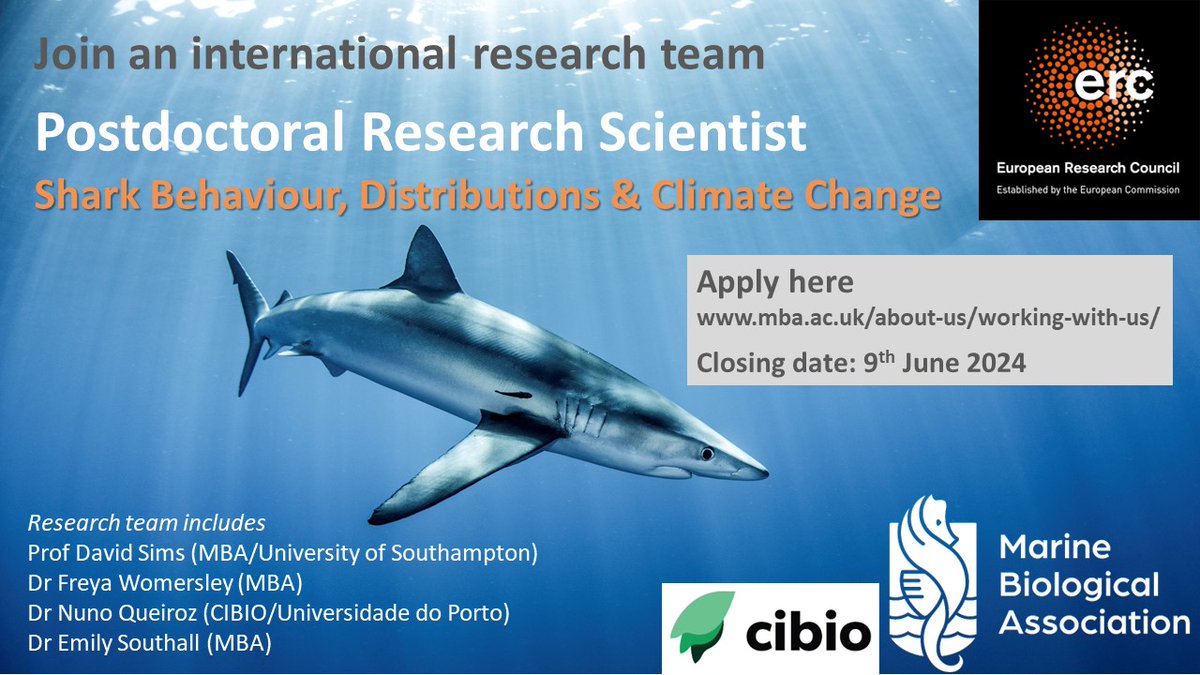


📊 New research — supported by data our team provided on large vessel positions, reveals areas where whale sharks are at the highest risk for ship collisions. 🌐 Details on the study published in Science of the Total Environment here: bit.ly/4arPOHJ
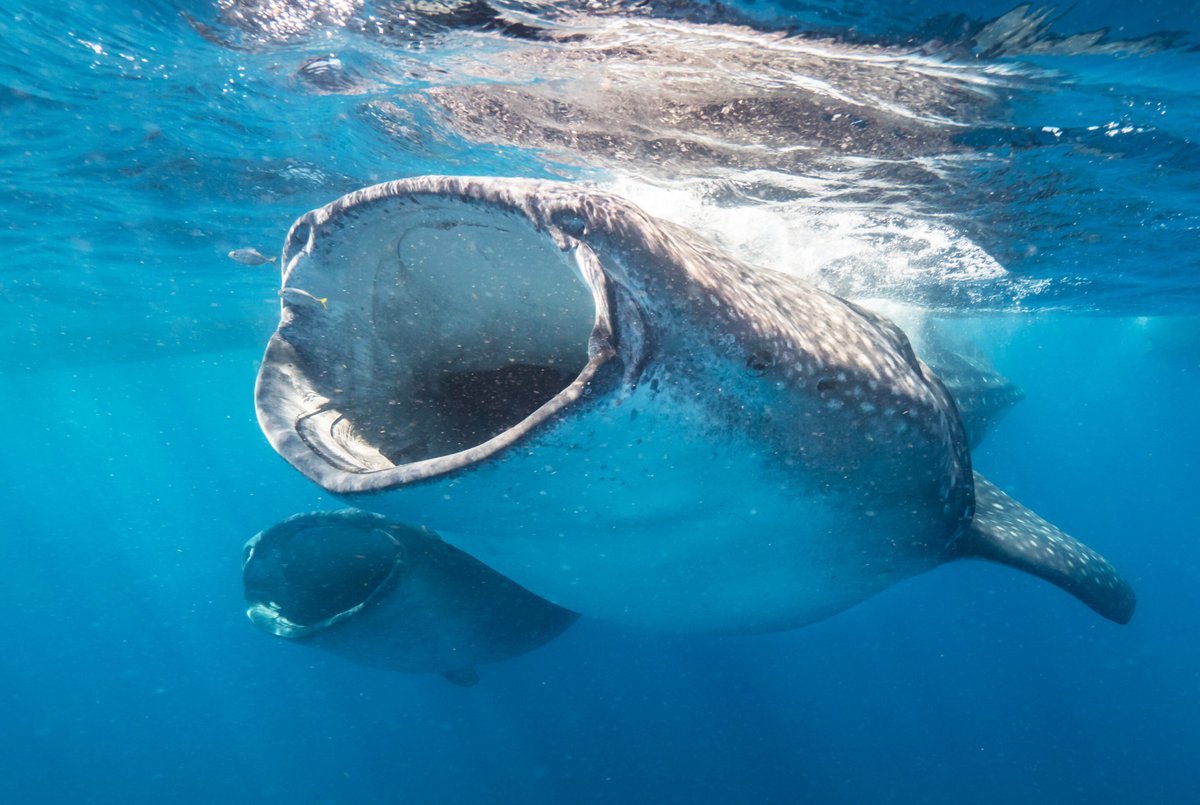
New in NatureClimate – Climate-driven global redistribution of whale #sharks predicts increased threat from shipping, making possible increased mortality from lethal collisions & greater under High Emissions scenario Freya Womersley MBA - Marine Biological Association OA here: nature.com/articles/s4155…
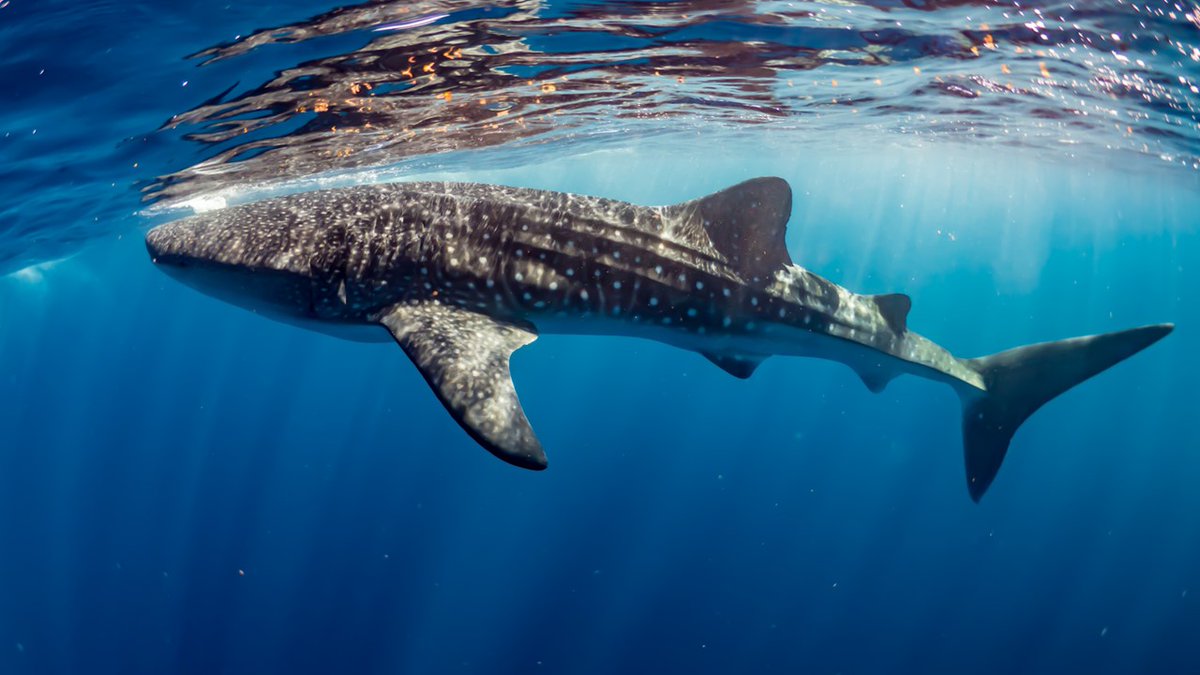



Whale sharks may be up to 15,000 times more likely to collide with a shipping vessel at the end of the century, under a high-emissions scenario, according to a study in NatureClimate. go.nature.com/3zKOOCr
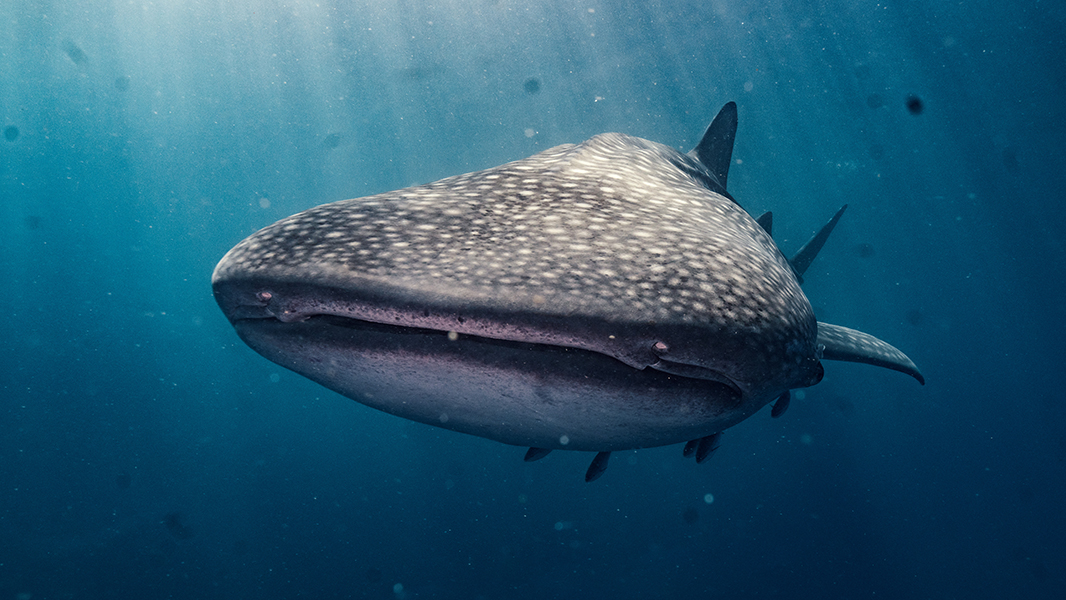

Whale sharks may be 15,000 times more likely to collide with shipping vessels at the end of the century, under high-emissions scenario. Warming oceans may force them to migrate towards cooler environments, leading to higher collision risk: nature.com/articles/s4155… NatureClimate