

Walter G Johnson
@waltgjohnson
Law, Society & Tech | JD, PhD Scholar @ANURegNet | Regulation and global governance of emerging tech, especially neurotech | he/him | Views are my own
ID: 874369101245952007
https://scholar.google.com/citations?user=WNsa-isAAAAJ&hl=en 12-06-2017 20:53:33
995 Tweet
444 Followers
1,1K Following
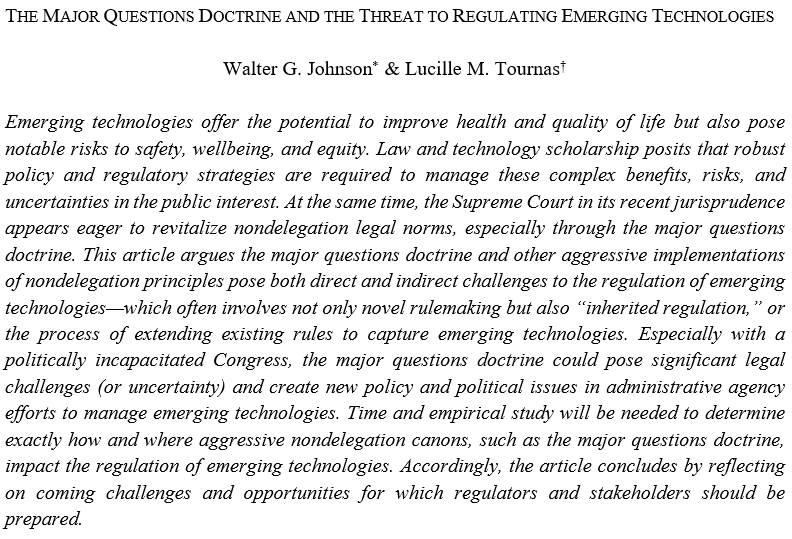

Walter G Johnson and I discuss the Supreme Court's shift in interpreting agency authority and how that may affect how we manage emerging technologies. slate.com/technology/202…
A piece I wrote with Walter G Johnson on the vast potential for therapeutic brain-computer interface devices. Success will also require keeping close watch on vulnerable individuals and the ever changing landscape of behavioral treatments in development minds.


Check out PhD scholar Walter G Johnson's new edited book, Reproduction Reborn: How Science, Ethics, and Law Shape Mitochondrial Replacement Therapies with Diana Bowman and Karinne Ludlow ⬇️ global.oup.com/academic/produ…


Happy to share my recent piece for Australian Institute of International Affairs calling for more public consultation and civil society voices in conversations about neurotech and neurorights. internationalaffairs.org.au/australianoutl…


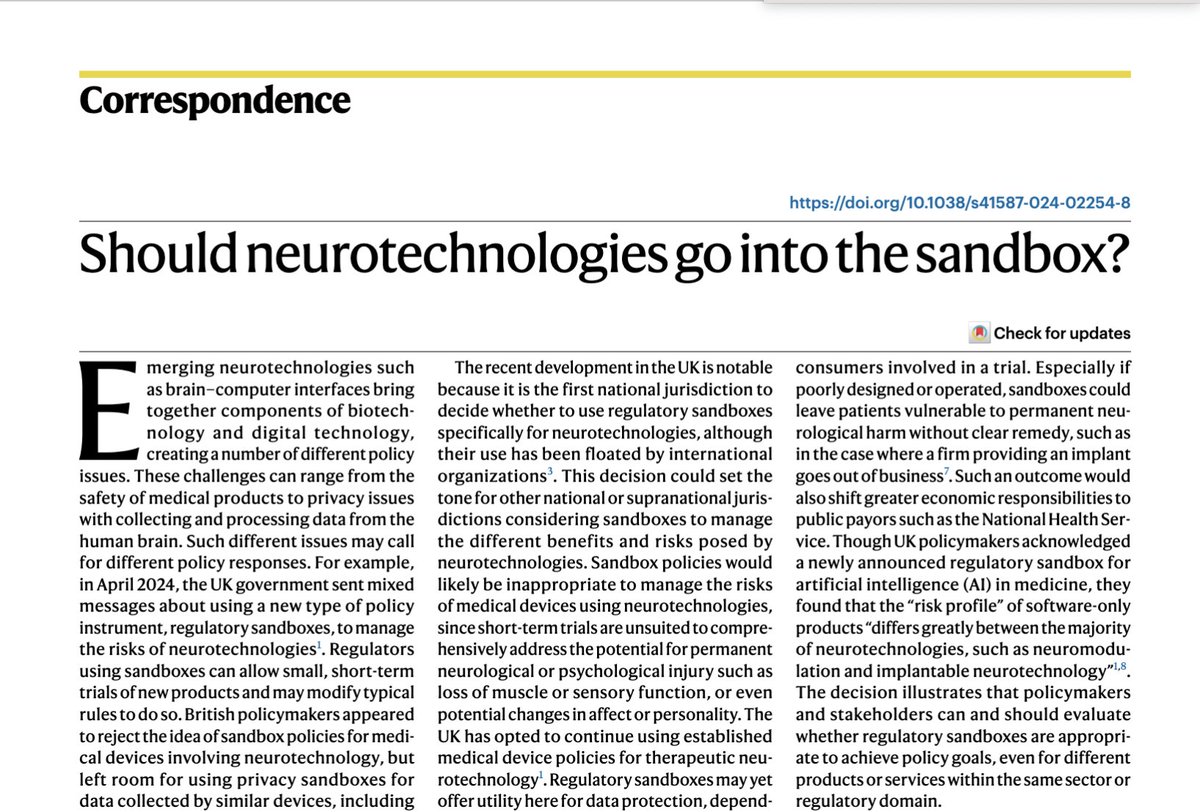
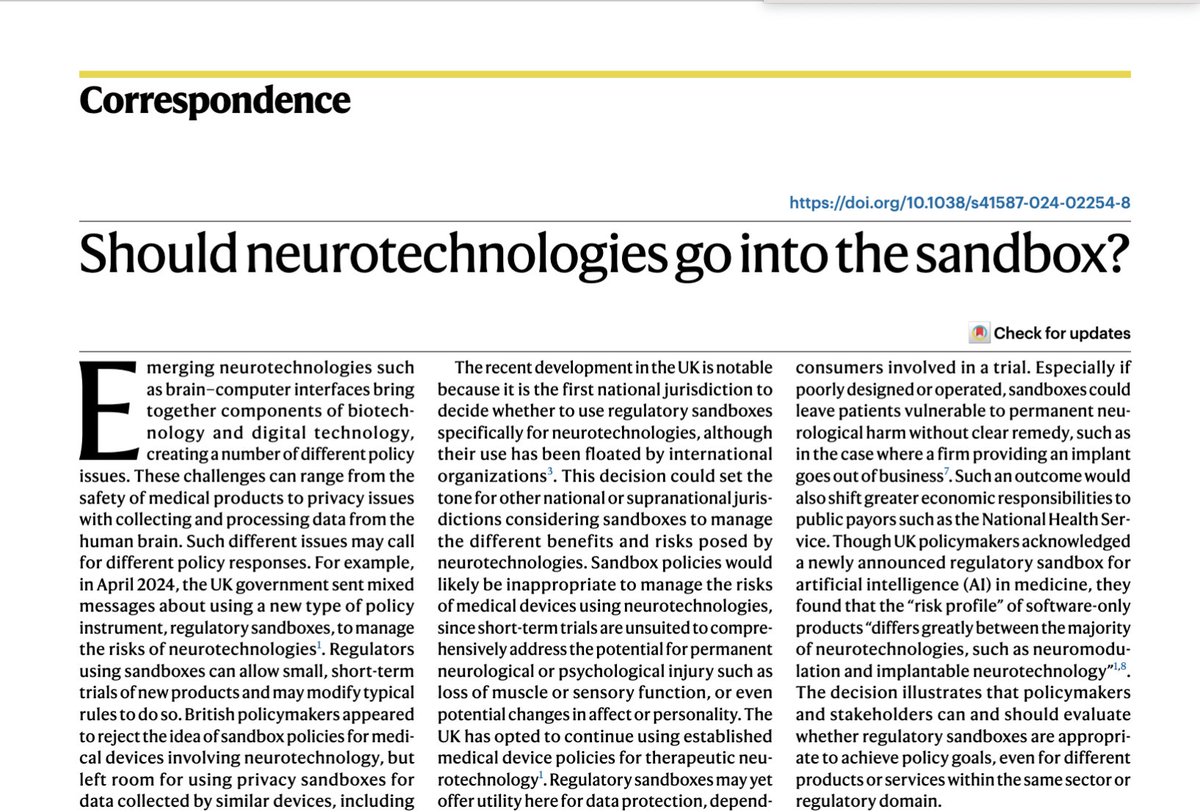
Congratulations to our PhD scholar Walter G Johnson for winning the 2024 LSI Graduate Student Paper Competition! What an incredible achievement 🎉👏🏽 ANU College of Asia and the Pacific
I'm honoured my piece was selected as the winner of Law & Social Inquiry's 2024 Grad Student Paper Competition. The paper looks at how drawing boundaries around and within "neurotech" has contributed to the emergence of a new space of transnational lawmaking.

Congratulations to the 2024 Law & Social Inquiry Graduate Student Paper Competition Winner: Walter G Johnson! 🎉 His paper “It's (Not) Just Semantics: ‘Neurotechnology’ as a Novel Space of Transnational Legal Governance” will be published in LSI: cup.org/3SmTVyK ANURegNet



Stanford Stanford CLB fellow Walter Johnson strikes again! More useful analysis of the details of "neurorights." link.springer.com/article/10.100…