Mark Agerton
@magerton
Asst Prof at @ucdavis Dept of Ag & Resource Economics.
Nonresident Scholar at @CES_Baker_Inst (at @RiceUniversity)
ID: 40865366
https://markagerton.com 18-05-2009 12:43:14
88 Tweet
174 Followers
208 Following

The first step to reducing methane, Mark Agerton and Ben Gilbert argue, is to directly measure it. Their new Forbes article explains why inventory-based incentives that merely estimate #emissions must give way to direct #methane monitoring.
Really delighted that my paper on plugging offshore #oilandgas wells with Greg Upton & co-authors has been published today in Springer Nature! rdcu.be/dbEtr
Also very pleased that our paper was picked up by NYT Climate! nytimes.com/2023/05/08/cli…
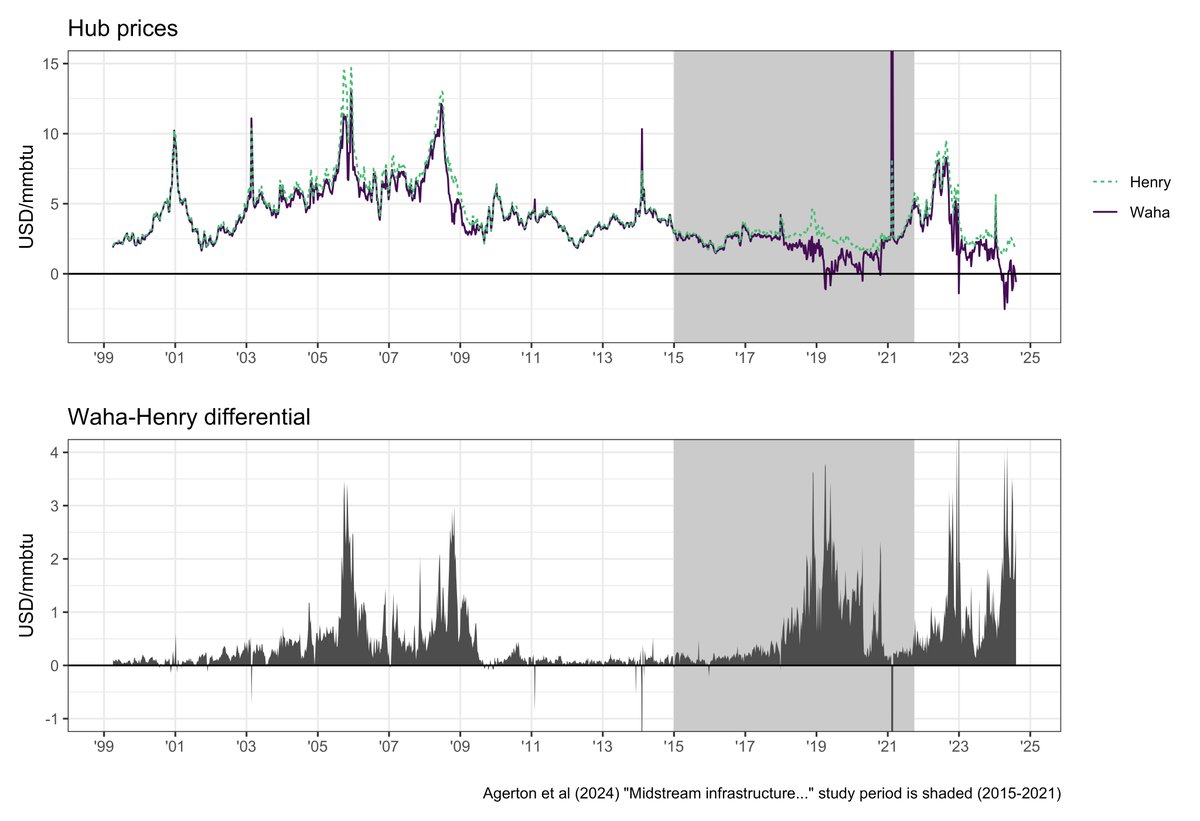
What are the impacts of congestion in natural gas processing and transmission infrastructure on flaring and methane emissions in the Permian? New working paper with Mark Agerton, Wes Blundell WSU Economics and Greg Upton provides evidence. Link: dx.doi.org/10.2139/ssrn.4…
New paper w/ Ben Gilbert Greg Upton & Wes Blundell shows #Permian #pipeline congestion (measured by price differentials) spikes #methane & #flaring. Our data were only 2015-21, but congestion (and emissions) is still an issue. dx.doi.org/10.2139/ssrn.4…
Are avocado 🥑 imports from Mexico 🇲🇽 fueling deforestation in the country? In this month’s issue of ARE Update Giannini Foundation, we (Mark Agerton and Julia Mezentseva UC Davis Agricultural and Resource Economics) investigate this issue. x.com/GianniniFnd/st… 🧵 below (1/15)
UC Davis Agricultural and Resource Economics is excited to announce our #econ and #agecon #jobmarket candidates. These #PhD students are doing creative, impactful research #ag, #development, #environment, #energy, #health, and #labor. Please consider them for your open positions! are.ucdavis.edu/phd/job-candid…


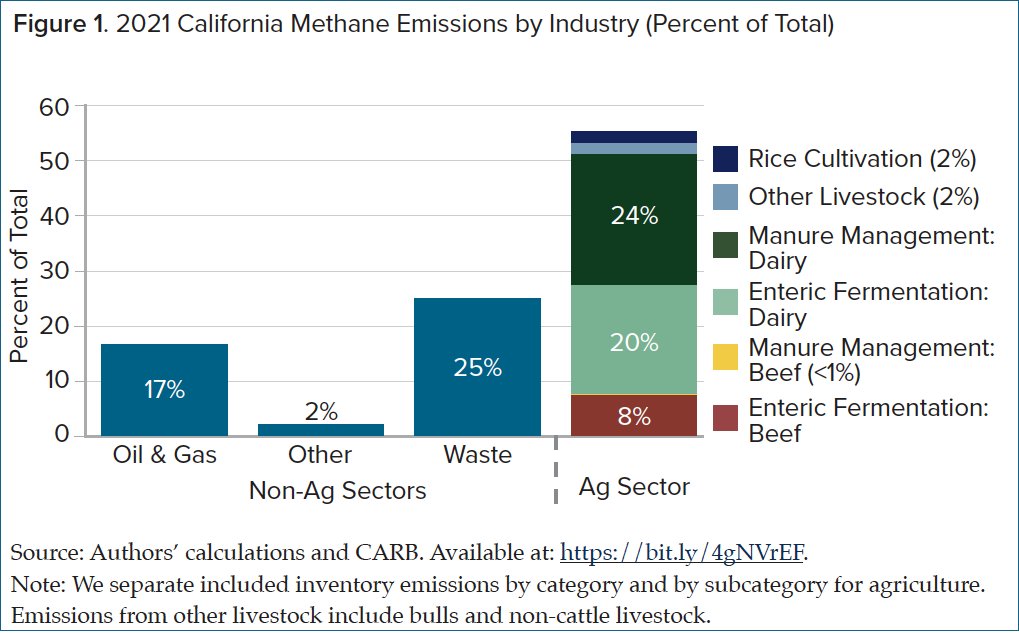
New #AREUpdate article “California’s Quest for Cleaner Cattle: Science, Economics, and Policy” by Mark Agerton and Sophia Salzer examines CA cattle methane emissions, reduction strategies, and policy implications. Read more: bit.ly/48xGXFm #Methane #Climate Mark Agerton
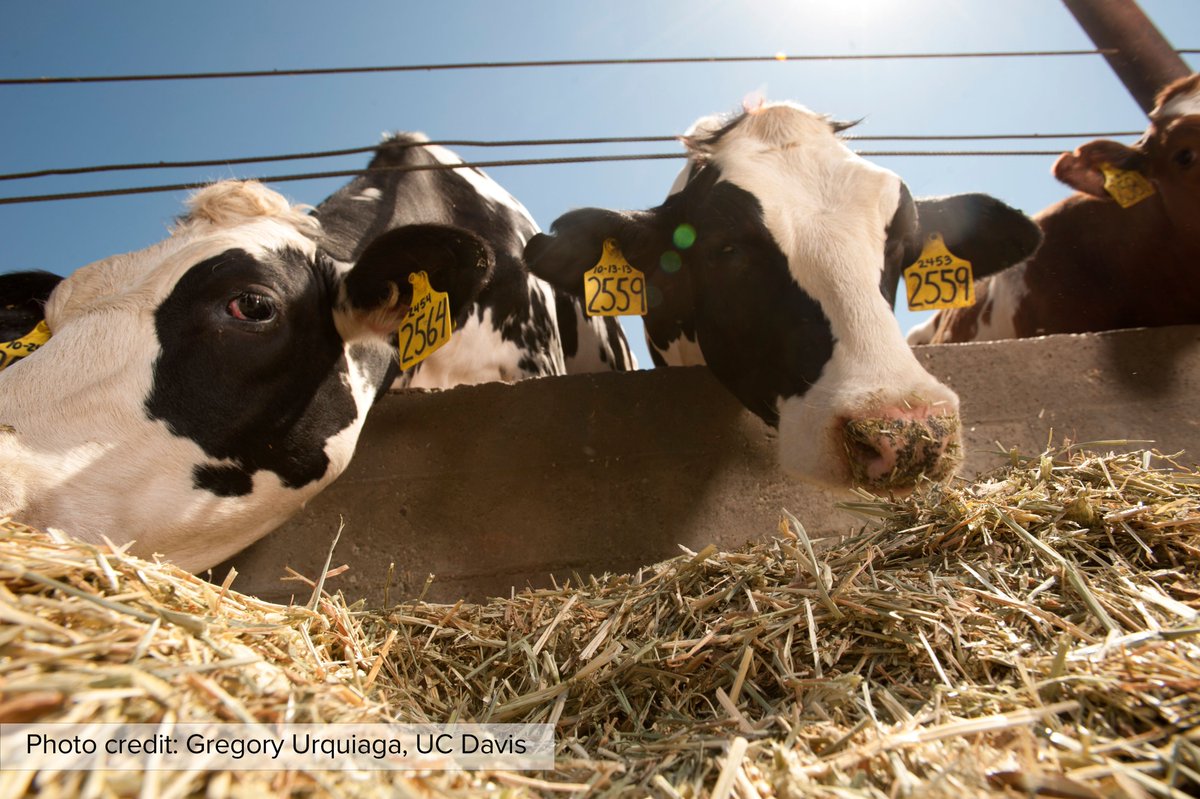
🐄New paper w/ UC Davis Agricultural and Resource Economics MS student Sophia Salzer on CA's #cattle #methane - 52% of CA methane from enteric fermentation & manure management - #Climate costs: $0.27/gal milk, $0.25/🍔 - Scale is important for digesters - Feed additives promising but 💰 bit.ly/48xGXFm