
SCImago Lab
@scimago
Science and Web Analytics.
Our aim is to help our clients to boost their communication and publication channels
ID: 76983632
http://www.scimagolab.com 24-09-2009 16:44:53
4,4K Tweet
9,9K Followers
189 Following
Finalizó con éxito la 1ª edición del curso de visualización de datos con Scimago Graphica: una formación clave para aprender a representar INFO estratégica con claridad. Perfecto para quienes comunican resultados de manera eficiente y visualmente atractiva acortar.link/Pxrv83


Some scientometric indicators for the Spanish regional governments for the 2020-2024 period based on Elsevier | Scopus and @SCImago. Green represents the highest values and red the lowest, but high doesn't always mean better than low.



Report prepared by Perplexity on science in the Spanish Autonomous Communities based on the attached indicator matrix from Elsevier | Scopus and @Scimago and corresponding to the period 2020-2024: perplexity.ai/search/necesit…



From challenge to achievement: Universidad de Santander (Colombia) turned #research into impact, joining the SCImago Institutions Rankings (Q2). A story of growth, strategy & global visibility. If you want to discover more success stories, click the link lnkd.in/d6ZdRtpX #scientificoutput #ranking


Is there any relationship between the scientific development of different regions of the world and the proportion of output retracted by editing region? Source: Retraction Watch, Elsevier | Scopus, and @SCImago (2020-2024).

Be careful with the retracted articles indicator. Publishing in journals that never retract an article makes researchers and institutions perform very well on this indicator. Just compare these two graphs with data by world region. Data based on Retraction Watch, Elsevier | Scopus, and



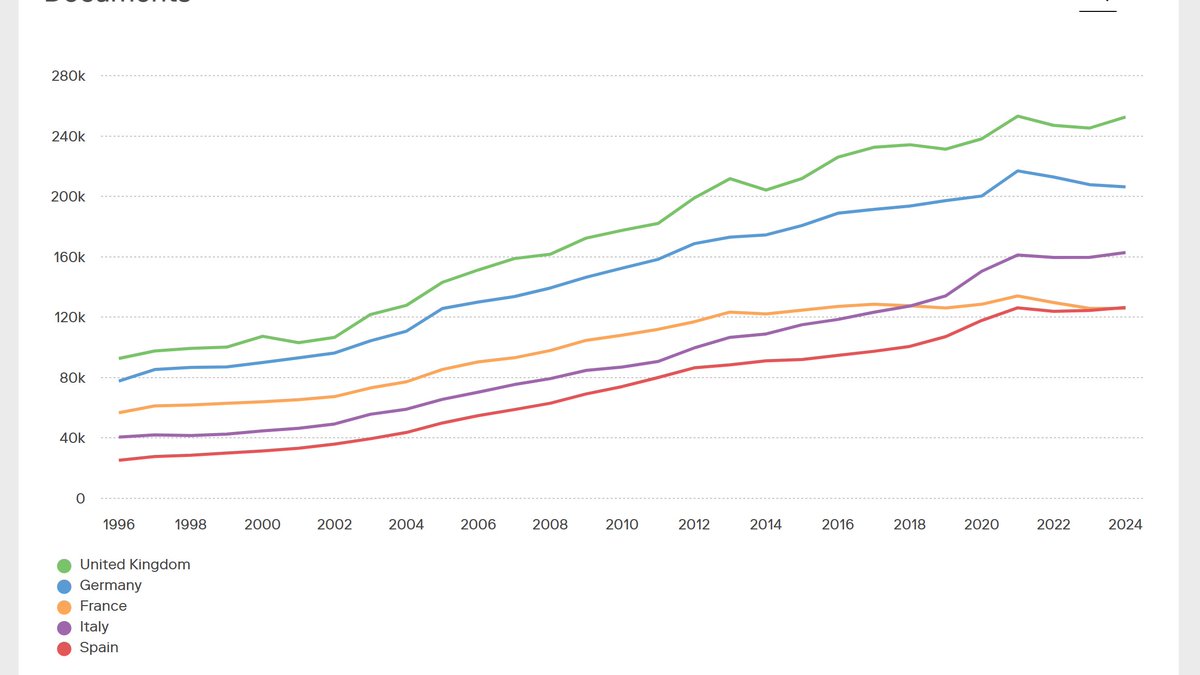
What's been happening to scientific output in France in recent years? It seems to be as stagnant as the economy. Source: Elsevier | Scopus and @SCImago (1996-2024).
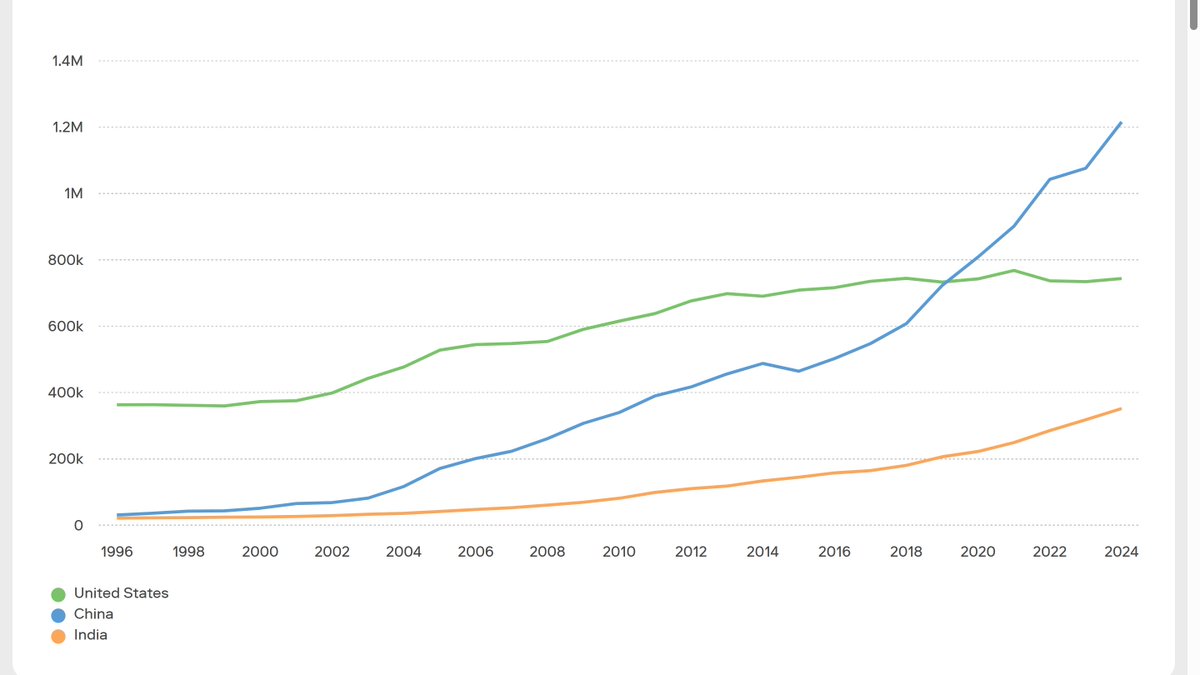
The gap in scientific output between China and the United States is widening as India closes the gap. Will this have effects on the global economy? Data from Elsevier | Scopus and @SCImago (1996-2024).